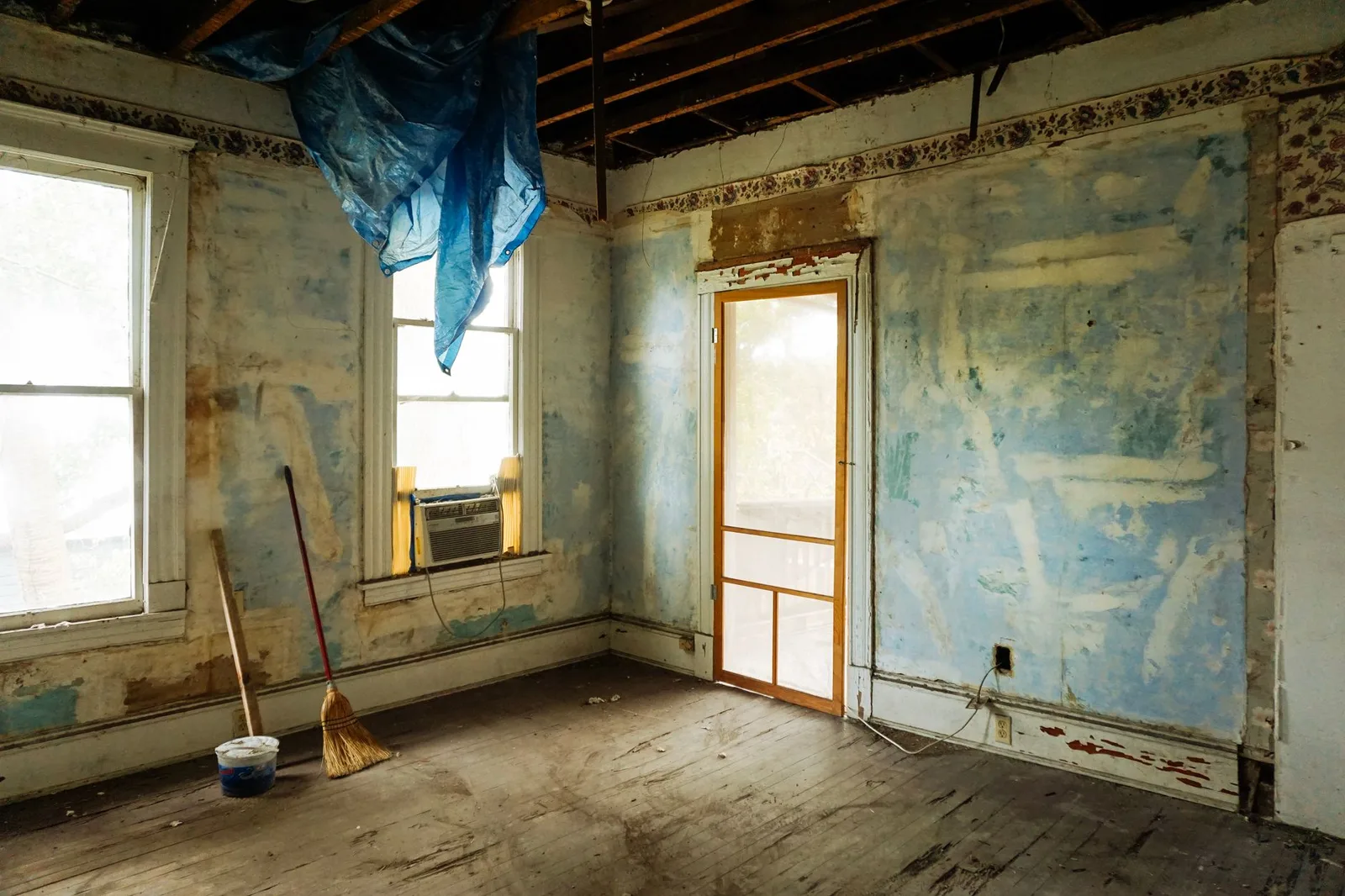
It happens to a lot of buyers. The house has the right lot, the right street, the right bones, and a kitchen from 1987. Or a roof that is on its last few years. Or a layout that would be perfect with one wall gone. And the listing sits there, priced for what it is, while everyone scrolls past it looking for something that is already finished.
You do not have to pass on a home just because it needs repairs or updating. Renovation financing may allow an eligible buyer to finance the purchase of the home along with approved renovations in one loan. That is the whole idea of this guide, and it is a bigger deal than it sounds, because it changes which houses are even on your list.
What is a renovation loan?
A renovation loan combines financing for the home itself with financing for eligible renovation costs, in a single mortgage with a single closing and a single monthly payment.
The part that makes it different from a regular purchase loan: a traditional mortgage is based on the home as it sits today. A renovation loan is underwritten with the planned work in view, so the loan amount can cover the purchase price plus the approved improvements. The renovation funds are typically held and paid out as the work is completed, rather than handed over in one lump sum at closing.
The practical effect: you’re not buying a house with one loan and then trying to figure out how to pay for the work with a second one, a credit card, or savings you would rather keep.
Who might consider one?
The buyer this fits is someone who finds a home they like, but it needs repairs, updating, or improvements, and they don’t necessarily want to pay for all of that work separately out of pocket.
A few situations where the conversation comes up often:
- The home is in a neighborhood you want, at a price that reflects its condition. Finished homes on the same street sell for more. A renovation loan is one way to get into that street without waiting for a move-in-ready listing.
- The house has a real problem that is keeping other buyers away. A dated roof, older systems, a kitchen or bathroom that has not been touched in decades. Conditions like these may be reflected in the price and may cause some buyers to pass on the property. The work still has to be done by someone.
- You already own the home and want to improve it. Renovation financing may also be available for certain refinance scenarios, so a homeowner who is staying put and wants to remodel may be able to fold the project into a new mortgage instead of taking out a separate loan.
This is for a primary residence, meaning the home you are going to live in. It’s not a flipping tool.
What can renovation financing help with?
I keep this section general on purpose, because the honest answer is that eligible repairs, updates, and improvements are subject to the specific loan program and to approval of the property and the project.
In broad terms, renovation programs are built around work that repairs, improves, or updates the home itself. Some programs come in two versions: a Limited option for smaller, more straightforward projects, and a Standard option for larger or more involved renovations. Which one applies depends on the scope of the work, the cost, and the program’s rules about what is included.
What matters at the start isn’t memorizing a list of eligible items. It is describing the house and the work you have in mind, so the right program can be matched to the project rather than the other way around.
Basic qualifications
Guidelines vary by program, and they change, so treat the figures here as a snapshot of the program I am currently working with rather than a universal rule.
As of this writing (September 2026), the current program starts at:
- A minimum credit score of 620
- A minimum loan amount of $100,000
- Available for primary residences
- Purchase financing, with refinance options as well
- Limited and Standard renovation options
Beyond those starting points, the usual mortgage qualifying still applies: income, debts, funds to close, and the rest of the file. The pre-approval checklist covers what that paperwork usually looks like. Final approval depends on the borrower, the property, and the renovation project, all three. A buyer can be well qualified and still have a project that does not fit, or a home that does not fit. That’s why it helps to review the property and proposed work as early as possible.
Property requirements
Renovation financing doesn’t mean every property or every proposed project will qualify.
The home still has to meet the applicable property and safety requirements for the program, and the renovations themselves have to fall within the program’s guidelines. There is generally a process around the work: a defined scope, cost estimates, contractor involvement, and inspections or draws as the work moves along. The completed property and renovations must meet the applicable program, appraisal, and safety requirements.
Before hiring a contractor or signing a construction contract, confirm that the contractor and project meet the lender’s requirements. Contractor approval, plans, bids, inspections, and draw procedures may be required before closing.
Where buyers get tripped up is assuming that “needs work” and “eligible for renovation financing” are the same thing. They overlap a lot. They aren’t identical. A property with certain conditions may qualify under one option and not another, or may need a different approach entirely. None of that is a reason to walk away from a listing. It is a reason to ask before you decide.
How do I know if a property qualifies?
Talk to me before you rule a property out.
That is the single most useful thing you can take from this page. When a buyer sends me a listing and says “I love it but it needs a lot of work,” the next step isn’t a no and it isn’t a yes. It is a review. I look at the buyer’s situation, the proposed property, and the improvements they are considering, and I can tell you which renovation financing options may be available for that combination.
Sometimes the answer is that a renovation loan fits cleanly. Sometimes a different loan program is the better route. Sometimes there is one thing about the property or the project that needs to be resolved first. In every case you find out early, while you still have time to make a good decision about the house.
Talk to Dawn about renovation financing
Found a home with potential? Let’s look at the property, the improvements you’re considering, and your financing options before you rule it out.
Send me the listing and a note about the work, or call (713) 397-8198. A short conversation usually tells us whether it is worth pursuing.
Dawn Futch is a mortgage broker serving Montgomery County, Magnolia, Conroe, and borrowers throughout Texas. NMLS #2090515. Program guidelines described here are current as of September 2026, vary by program, and are subject to change. Final approval depends on the borrower, the property, and the renovation project.