Loan programs · Texas
Conventional loans in Texas
The conventional loan is the most common way people buy a home. Here is how it works, how it stacks up against FHA, and what a lender looks at, so you can tell whether it fits before you apply.
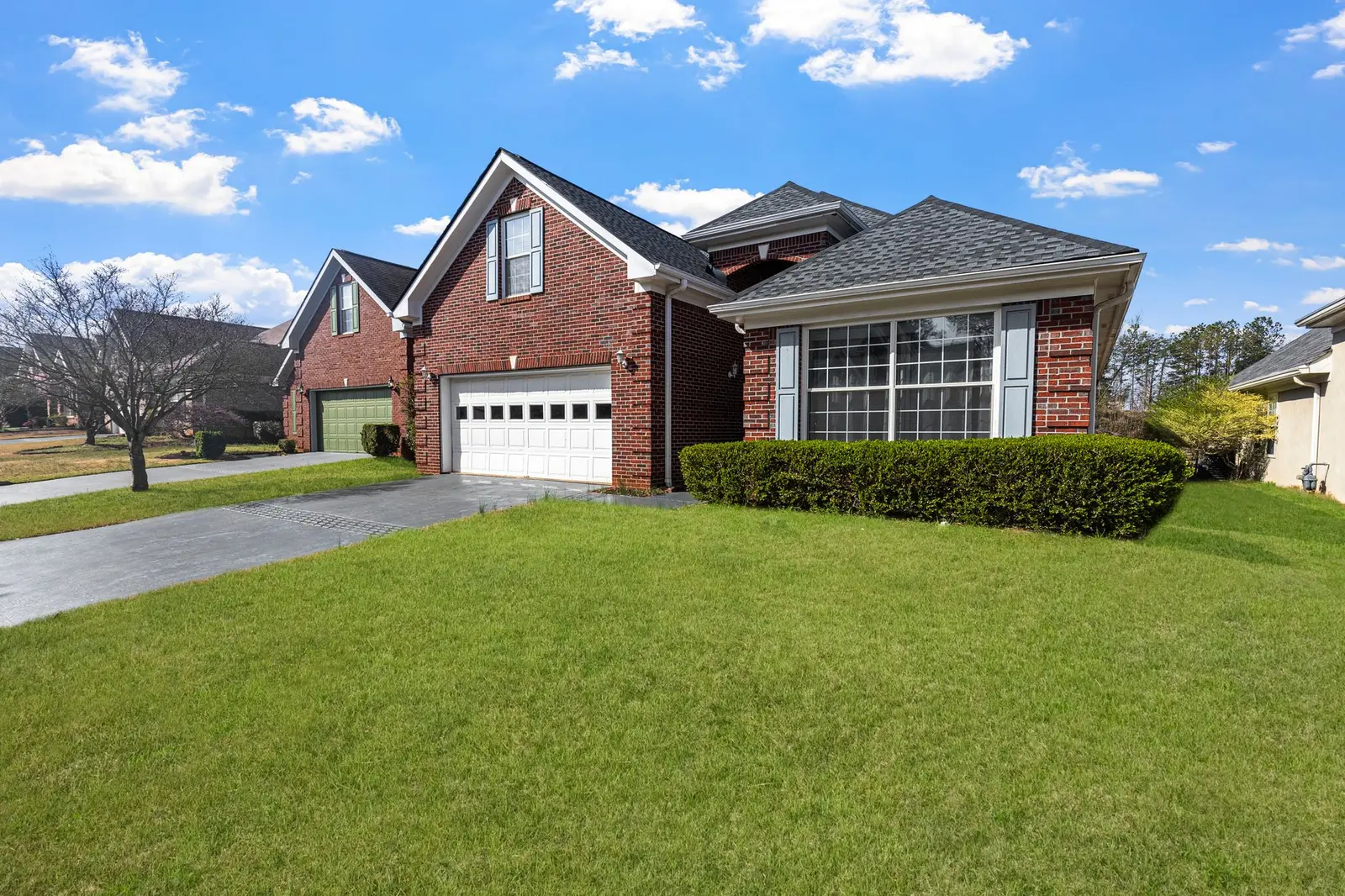
A conventional loan is a mortgage that is not insured or guaranteed by a government agency the way FHA, VA and USDA loans are. Most follow guidelines set by Fannie Mae and Freddie Mac, which buy loans from lenders. Because Dawn Futch compares programs across a range of lenders, the question is not just whether you fit a conventional loan, but which version fits you.
Conventional or FHA, side by side
Neither one is better across the board. Each fits some buyers and not others, and the right comparison uses your own numbers.
Who backs the loan
Conventional: No government agency insures or guarantees it. Most conventional loans follow guidelines set by Fannie Mae and Freddie Mac.
FHA: The Federal Housing Administration insures it, which lets lenders work with a wider range of credit histories.
Mortgage insurance
Conventional: Often required with a smaller down payment. On most loans for a primary home it can be removed later, under federal rules described below.
FHA: FHA has its own mortgage insurance premiums. On many FHA loans the annual premium stays for the life of the loan unless the loan is refinanced.
What the home can be
Conventional: A primary home, and depending on the program, a second home or an investment property.
FHA: A home the borrower will live in as their primary residence.
Credit and debts
Conventional: Tends to reward a stronger credit history and a lower debt load with better pricing.
FHA: Often more forgiving of a thinner or bumpier credit history.
How mortgage insurance comes off
With a smaller down payment, a conventional loan usually carries private mortgage insurance, often called PMI. It protects the lender, and it adds to the monthly payment. The difference from many government loans is that it does not have to stay.
For a single-family primary home, federal law lets you ask your servicer to cancel PMI once the principal balance is scheduled to reach 80 percent of the home’s original value, or sooner if extra payments get you there. It generally ends automatically when the balance is scheduled to reach 78 percent, as long as your payments are current. Your PMI disclosure form shows the dates.
What a lender looks at
- Credit history, and how it lines up with the pricing on each option.
- Income and how steady it is: pay stubs, W-2s, or tax returns for the self-employed.
- Monthly debts compared with income, including the new house payment with taxes and insurance.
- Money for the down payment and closing costs, and where it came from.
- The home itself, through the appraisal.
Requirements like credit scores and loan amounts vary by program and change over time, so they are not published here. Ask Dawn for the current requirements and how your situation fits. The pre-approval checklist covers the paperwork, and the down payment assistance guide explains how some Texas programs pair with a conventional loan.
Above the conforming limit
Each year the Federal Housing Finance Agency sets the conforming loan limit, the largest loan Fannie Mae and Freddie Mac will buy. A loan above it is a jumbo loan. It is still conventional, with its own requirements, and it comes up in parts of The Woodlands and Houston where prices run higher.
If you are deciding between options
Three things are worth comparing across a conventional loan and any alternative: how much you would bring to closing, your full monthly payment including mortgage insurance, taxes and insurance, and how long you expect to keep the loan. A loan that costs a little more each month at the start can cost less over the years if its mortgage insurance comes off, and the reverse can be true too.
Common questions
Is a conventional loan only for people with a big down payment?
No. Some conventional programs allow a smaller down payment for eligible borrowers. A smaller down payment usually means mortgage insurance, which on most conventional loans for a primary home can be removed later. Dawn can show what the down payment and the full monthly payment would look like for your situation.
When can mortgage insurance come off a conventional loan?
For a single-family primary home, federal law lets you ask your servicer to cancel it once the principal balance is scheduled to reach 80 percent of the home’s original value, and it generally ends automatically at 78 percent if your payments are current. Some servicers allow removal under their own standards too.
Can I use a conventional loan for a second home or a rental?
Often, yes. Conventional programs can cover second homes and investment properties, with their own requirements. FHA and VA loans are for a home you will live in.
What is the difference between a conventional and a conforming loan?
A conforming loan is a conventional loan that fits within the loan limit and guidelines Fannie Mae and Freddie Mac buy loans under. A loan above that limit is called a jumbo loan, and it is still conventional.
What credit score do I need for a conventional loan?
Requirements vary by program and change over time, so Dawn does not publish a cut-off here. Reach out with where you stand, and she will tell you the current requirements and how your situation fits.
Source for the mortgage insurance rules: Consumer Financial Protection Bureau, When can I remove private mortgage insurance (PMI) from my loan? Lender-paid mortgage insurance and loans closed before July 29, 1999 follow different rules.
Dawn Futch, NMLS #2090515. Mortgages by Dawn, Montgomery, Texas. Program guidelines vary by lender and change over time. Not all applicants will qualify. Nothing on this page is a commitment to lend.